
Explore the dynamic world of Japanese shochu and Korean sool as we dive into the latest trends, from new product launches to export successes and market shifts. Discover how Kirishima Shuzo is shaking things up with AKAKIRI GIN, and learn why shochu sales are hitting a record low despite the top producer's continued success. In Korea, we see a shift towards low-alcohol drinks and premium soju, while traditional liquors face challenges in export markets but find innovative solutions. Join us as we celebrate the rich heritage and evolving future of these beloved spirits.
Japanese Shochu and Awamori
New Product Export
Japan's Best-Selling Shochu Maker Kirishima Shuzo Launches AKAKIRI GIN for Overseas Markets
Japan's top-selling shochu maker is taking a bold step into the global gin market. Kirishima Shuzo's AKAKIRI GIN, distilled from their signature Aka Kirishima purple sweet potato shochu, will debut in North America, Europe, and Asia this November. It's a clever play to ride the worldwide gin wave while introducing new audiences to the world of shochu. via Izakaya Juraku

Image via Izakaya Juraku
Market
Shochu Sales Fall to Record Low in 2025 Amid Rising Prices in Japan
Shochu sales in Japan have hit a new low. The top 50 producers recorded 219.1 billion yen in 2025, the lowest since Teikoku Databank began tracking in 2005, as prolonged high prices pushed consumers to tighten their spending. Kirishima Shuzo held its top spot for the 14th year running, while Miiyazaki Honten's Kinmiya korui shochu bucked the trend with growth. via The Sake Wire

Image via The Sake Wire
Kirishima survey identifies price and brand encounters as key reasons people like shochu
What makes people love shochu? A Kirishima Shuzo survey of nearly 3,000 regular drinkers found that good value and discovering a brand that suits your taste are the top reasons. Enjoyable serving styles and food pairings also play a major role in building loyalty. via KAMPAI

Image via KAMPAI
Awards Culture
The Great Honkaku Shochu and Awamori Contest Announces Return with Record Participation
The Great Honkaku Shochu and Awamori Contest is back, and it's bigger than ever. As the only national competition dedicated solely to authentic Japanese distilled spirits, this year's record participation signals a vibrant and evolving craft. The contest aims to clarify current manufacturing technology and trends in liquor quality. via Glass & Note
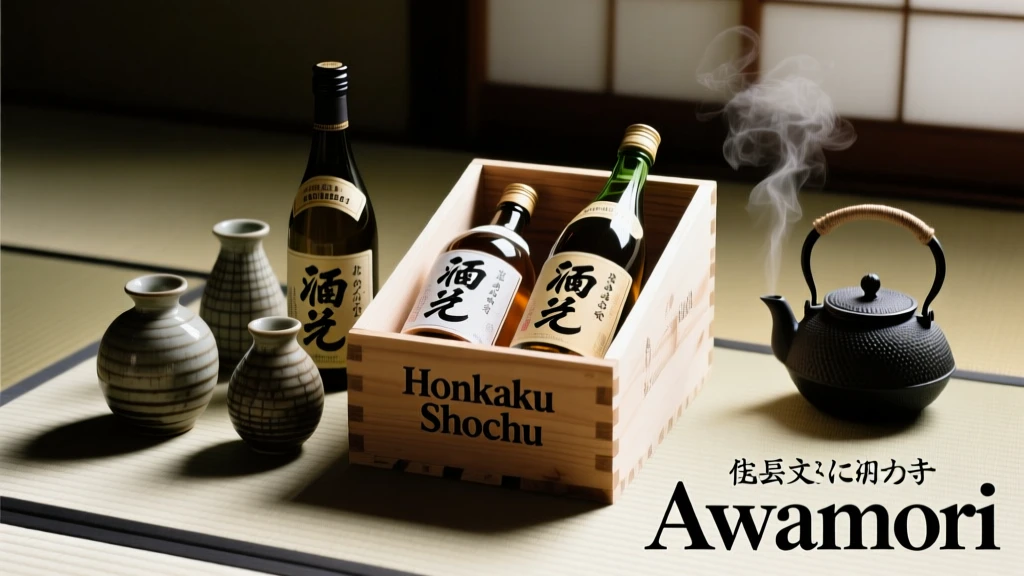
Image via Glass & Note
Regulation
Japan consults on a nationwide geographical indication for honkaku shochu
Japan is moving to protect honkaku shochu with a nationwide geographical indication. The proposed GI would define the production area as all of Japan and require domestic fermentation, pot distillation, storage, and bottling. Public comments are open until November 20, 2026, marking a significant step for the industry's identity. via KAMPAI
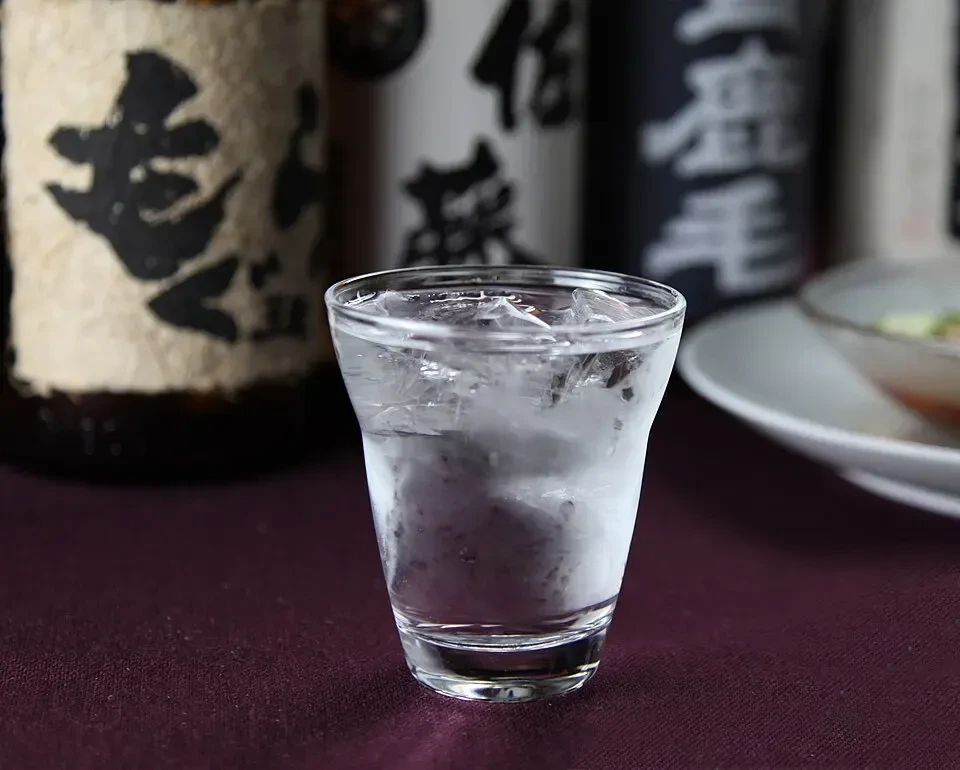
Image via KAMPAI
Export
Honkaku shochu and awamori exports reached 1.56 billion yen in 2025
Exports of honkaku shochu and awamori reached 1.56 billion yen in 2025, surpassing the previous year in both value and volume. The unit price rose 16.5 percent compared to 2022, reflecting growing appreciation abroad. Meanwhile, producers are actively building markets in Poland, the United States, and India. via 日本酒造組合中央会 本格焼酎・泡盛PR事務局
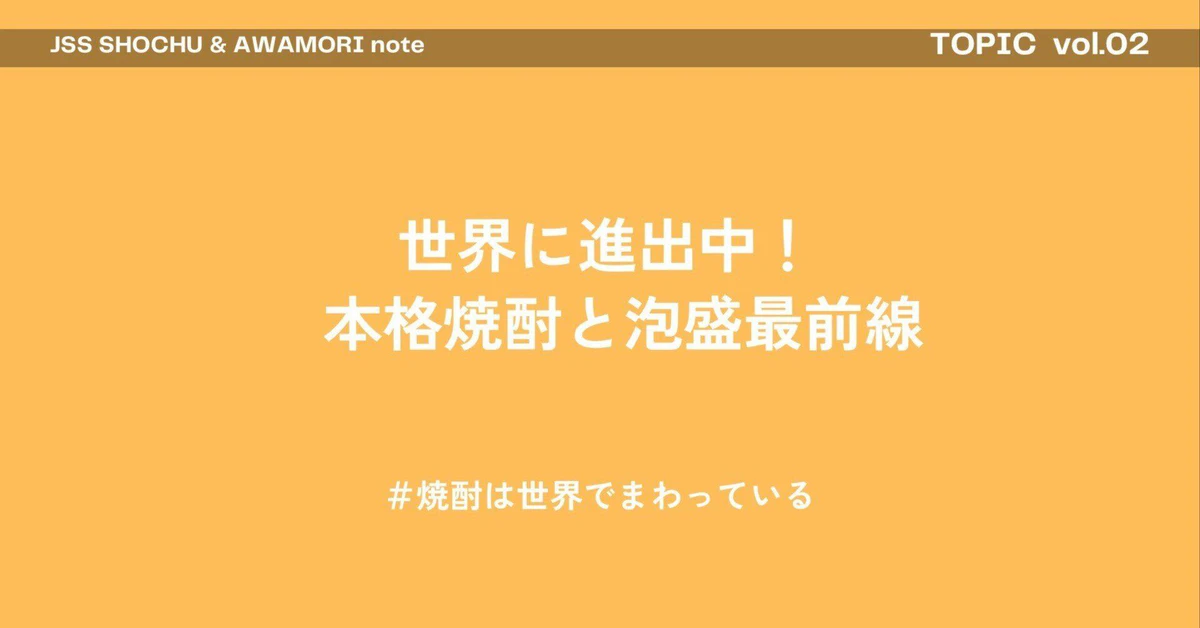
Image via 日本酒造組合中央会 本格焼酎・泡盛PR事務局
Awards
Nanto Shinsen wins gold in the 2026 Awamori Division
Uehara Shuzo's Nanto Shinsen, a 30 percent ABV awamori, took gold in the general category of the SAKE COMPETITION 2026 Awamori Division. The competition was created to mark the planned reconstruction of Shuri Castle's main hall, adding cultural significance to the award. via KAMPAI
Event
Twenty-two Kyushu distilleries joined a honkaku shochu festival in Hakata
Twenty-two distilleries from Kyushu gathered at JR Hakata Station for the Kyushu Honkaku Shochu Day Festa. Visitors could taste 33 shochu labels and 11 liqueurs for free, and even collect digital bottle stamps using blockchain technology. It was a lively celebration of the region's distilling heritage. via KAMPAI
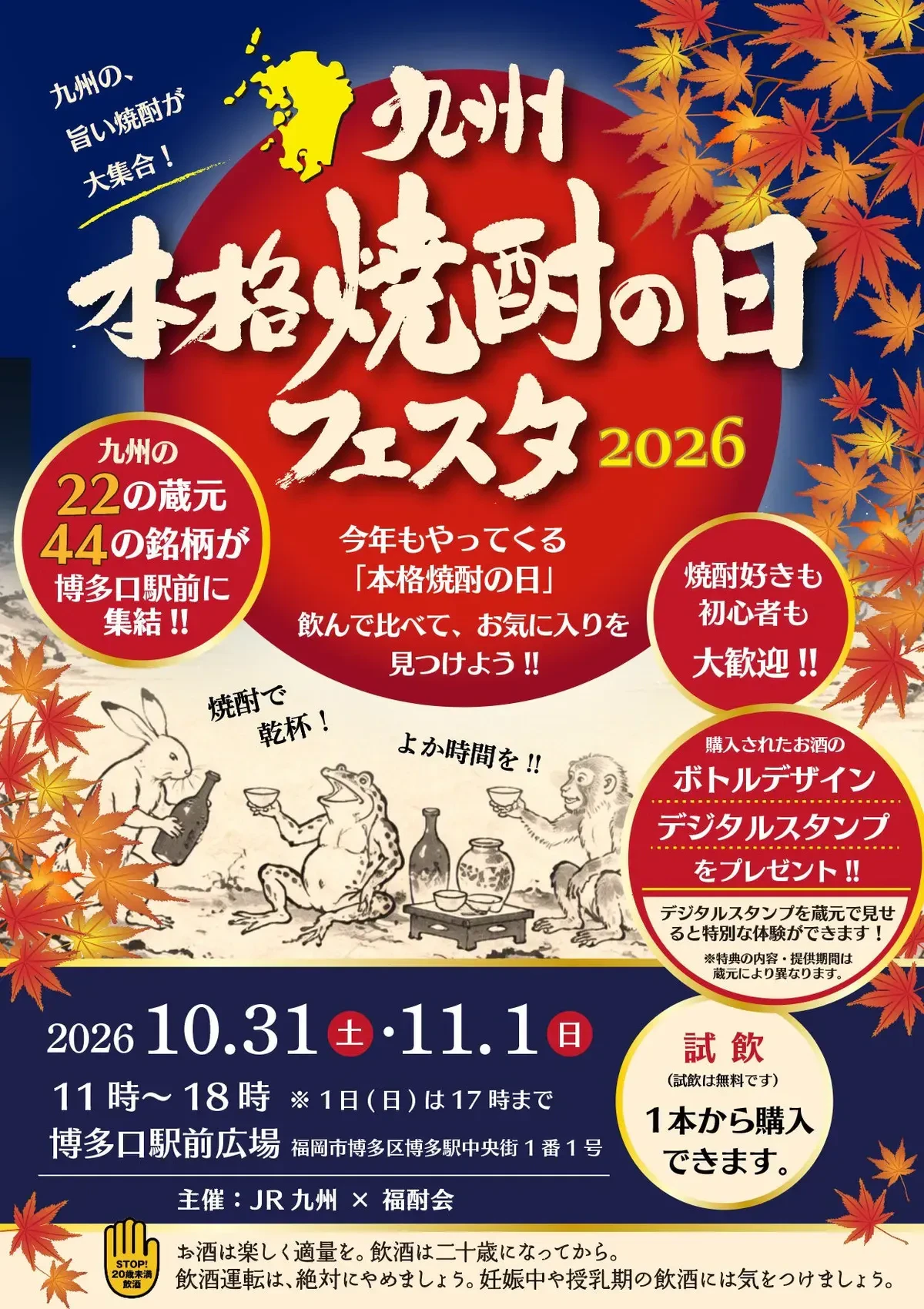
Image via KAMPAI
Culture
Hachijojima adopts an ordinance promoting local shochu from the second drink
Hachijo Town has enacted an ordinance encouraging people to choose local shochu from their second drink onward. The measure took effect on November 1, 2026, alongside the first Hakkochu Fes, an event pairing island shochu with local food. The town hopes to support traditional industry, boost tourism, and promote local ingredients. via KAMPAI
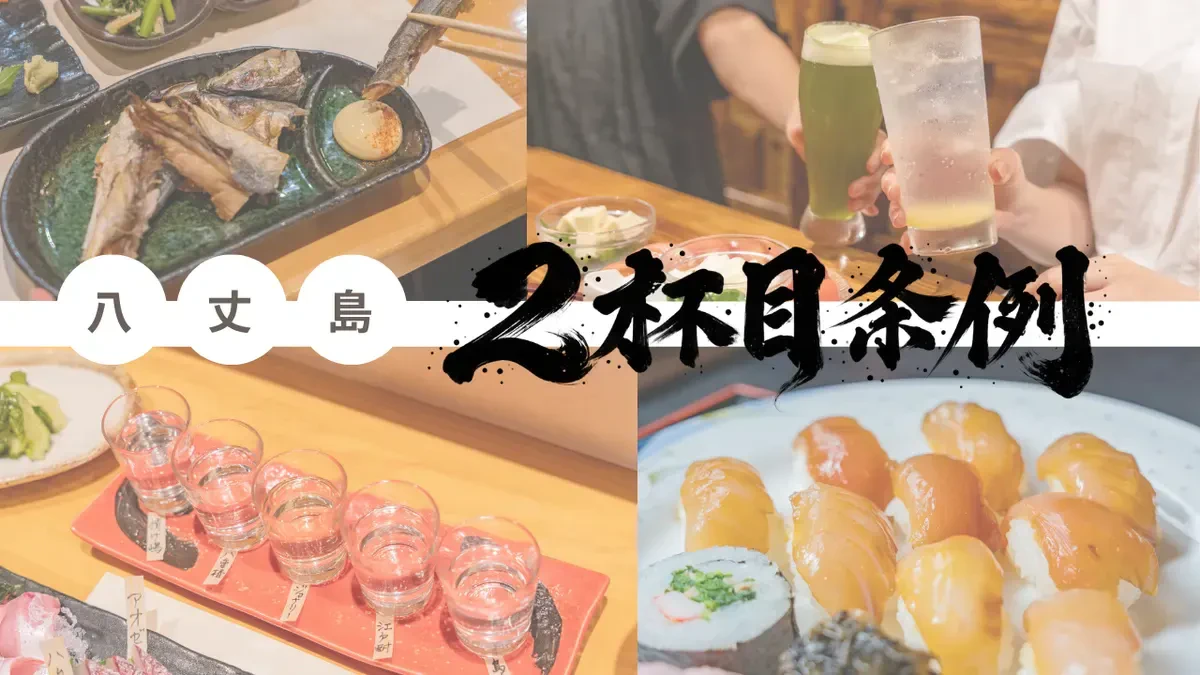
Image via KAMPAI
Korean Sool
Awards
Berry Wine 1168CS Wins Presidential Award at 2026 Korea Traditional Liquor Competition
At this year's Korea Traditional Liquor Competition, a fruit wine made from Yeongdong grapes took the top honor. Berry Wine 1168CS, crafted by Blue Wine Company, received the Presidential Award among 472 entries from 294 producers. Other grand prize winners included Sanjeong Lake Dongjeongchun Makgeolli and Woori Cheotsul Cheongseol, showcasing the depth of Korea's traditional brewing scene. via The Herald Business
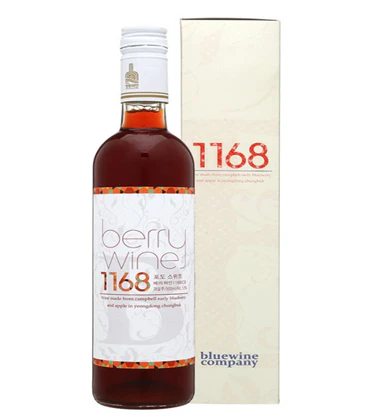
Image via The Herald Business
Production
Hite Jinro Suspends Iksan Plant Operations, Consolidates Soju and Beer Production in Jeonju
After 69 years, Hite Jinro is shutting down its Iksan soju plant. Production will move to Jeonju, creating a combined hub for both soju and beer, as the company looks to modernize aging facilities and boost efficiency. The Iksan plant had been running at just 74.5 percent capacity. via TopDaily

Image via TopDaily
Market Export
Korean Liquor Makers Focus on Low-Alcohol Drinks, Premium Soju, and Exports
Korean liquor makers are shifting their focus to low-alcohol drinks, premium soju, and overseas markets. Fruit-flavored soju exports crossed the $100 million mark for the first time last year, reaching $100.42 million, fueled by the global wave of K-content. North America, Japan, and Southeast Asia are the key targets. via Korea JoongAng Daily

Image via Korea JoongAng Daily
Export
Yakju exports fall to 593,000 dollars as industry calls for labeling reform
South Korean yakju exports fell to $593,000 in 2025, down for the third straight year. Producers point to the requirement for pasteurized yakju and takju to carry best-before dates, which complicates production and overseas distribution. Additives in traditional drinks are also causing classification headaches. via The Asia Business Daily
Korean makgeolli exports decline as producers seek longer shelf life and wider distribution
Korea's rice wine exports slipped 5.1 percent in the first nine months of 2026, hampered by makgeolli's short shelf life and cold-chain logistics. Producers are responding with extended-shelf-life fresh makgeolli and room-temperature-stable pasteurized versions, aiming to reach more drinkers overseas. via CHOSUNBIZ
Distribution
aT and GS Retail create an online-to-convenience-store channel for traditional liquor
Korean traditional liquor is getting a new distribution channel. The Korea Agro-Fisheries and Food Trade Corporation has teamed up with GS Retail to let customers order through the Wine25Plus platform and pick up at GS25 convenience stores. Successful products could later appear on GS25 and GS The Fresh shelves. via The Herald Business
Market
Whisy overtakes soju in South Korean hypermarket liquior sales
Whisky has overtaken soju in South Korean hypermarket liquor sales for the first time. At E-Mart, whisky accounted for 16.3 percent of sales from January to September 2026, narrowly beating soju's 15.9 percent. The shift reflects changing drinking habits, with more home consumption and a desire for distinctive personal tastes. via The Herald Business

Image via The Herald Business
From the Japan Distilled Podcast
A new episode is available: "Old Men Shouting at Clouds (ep. 94)".
EPISODE INTRO In episode 94 of the Japan Distilled podcast, your hosts Christopher Pellegrini and Stephen Lyman find themselves shouting at clouds (talking state of the industry) in the studio after far too long. CREDITS Theme Song: Begin Anywhere by Tomoko Miyata (http://tomokomiyata.net/) Mixing and Editing: Marc Matsumoto HOSTS CHRISTOPHER PELLEGRINI Vermont born and bred, […]